
 The rain conjures up many things for people: depression, wet clothes and dreams of a sunny Mediterranean village with cheap wine and grilled prawns. I share in that but there are a few more inter-related things I'ld like to raise: wild-eyed environmentalists, greedy public sector workers and falling profits for insurance companies.
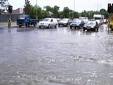
I live in a flood-zone in Dublin's North Inner city – in an area that was originally called Mud Island. The recent heavy rains didn't affect our street but it did flood houses in surrounding streets. There are any causes – part of it being the location, the state of drainage, the actual rainfall, etc.
But wild-eyed environmentalists have pointed to another contributory problem: paving over front and back gardens. Concrete and asphalt ensure that water runs anywhere except into the ground: streets and gutters, houses, etc. That paving over increases the risk of flooding is now accepted though, unlike the UK, there are no studies of the Irish situation. This is part of a general official agnosticism towards natural soak-aways and our urban 'green heritage'.
With all this flooding we need more greedy public sector workers – those people that the Sunday Independent claims are over-paid, under-worked and sapping our economic soul. The Dublin Fire Brigade were on permanent call-out during the recent flooding while City Council workers were working overnight in some cases draining and shoring up defences. More of this and it will really blow a hole in the Government's policy of reducing payroll bills by 3 percent.
Insurance companies hate rain – payouts for damage to house structures, floors and carpets, and furnishings. These payouts, of course, will result in two things: one, companies won't insure houses in flood zones (a number of companies refused to provide us a quote when my partner and I moved into our house a few years ago); or, two, they will only insure at highly inflated rates. In any event, with enough pay-outs, all premiums will increase. This will reduce people's living standards and increase inflation (though they could score some 'free' meals by fishing in their sitting rooms).
So, I would imagine insurance company executives will start turning into wild-eyed environmentalists – encouraging people to maintain and replant their gardens, or at least use permeable material when they cover them over. And they might send gifts to all the public sector workers who are working overtime maintaining our creaky drainage infrastructure. After all, if these workers ensure that €5 million worth is damage is prevented, that's a €5 million tab insurance companies don't have to pick up. This will maintain their profits and share price.
In the rain, you start seeing all these connections – paved gardens, public sector, insurance profits. It can tell us many things but one thing that strikes me: little of this is about 'market activity'. Rather, it is about a complex interaction between the environment, the public realm and the corporate sector. To create artificial demarcations between the public and private is to miss the dynamic of the real world we live in and, so, overlook the solutions we need to create a prosperous society.
In Munich, the local government actually grant-aids householders who dig up their asphalt and concrete and replant their gardens. Maybe the insurance companies – now imbued with a new-found environmental and public consciousness - would like to finance such a scheme. After all, it would reduce their costs in the future.
Or, even more radically minded insurance executives may start arguing that the corporate tax rate should be increased – so that the Government can finance adequate infrastructural and environmental programmes. It certainly would be a lot of cheaper than paying out on all those future flood claims.
It's raining again. Maybe the rain – in the weather and the economy – might bring some new thinking. In the meantime, I'll keep dreaming of that sunny Mediterranean village.
 Notes on the Front
Leave a comment